
Soul Food: Where Did It Come From?


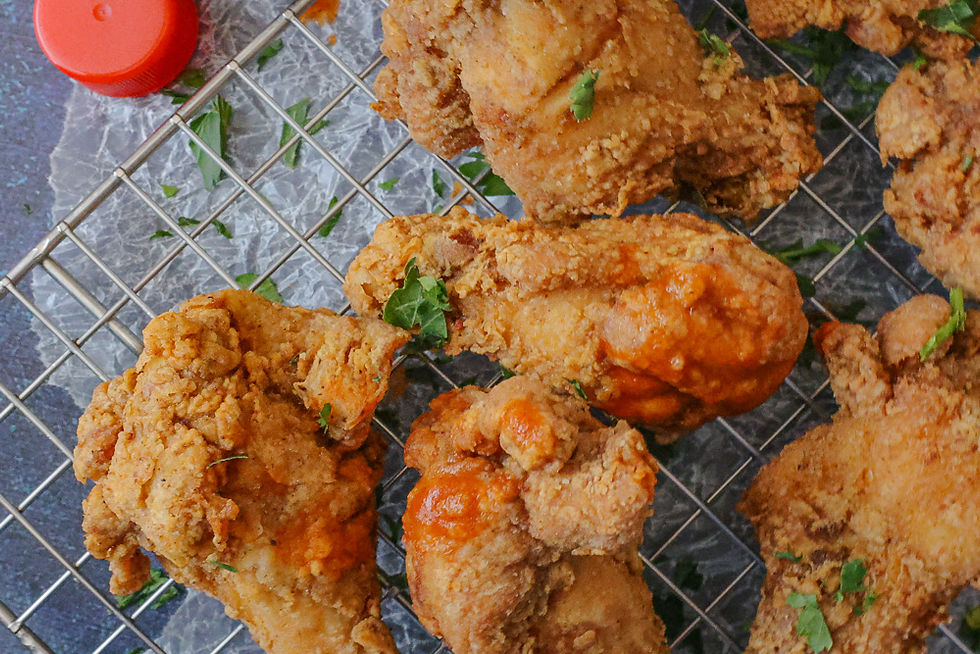
Soul food ... the fried chicken, collard greens that are cooked down slowly in the stock of juicy smoked or pork meat, and delicious cornbread on the plate. We know it, we love it... But, where does it come from? How did this delicious cuisine come to be?
Soul food is more than just comfort food. It's a cuisine that was created from pain, resilience, and the unbreakable spirit of a people who transformed scraps into sustenance. They transformed survival into culture.
"Soul Food".
The roots of this delicious cuisine go back centuries to slavery in the Deep South. The term "Soul Food" didn't emerge until the 1960s and 70's.
Slavery and Survival
It begins in the fields of Georgia, Mississippi, and Alabama. The story of soul food started with deprivation and the ingenuity of enslaved Africans who refused to let their culinary heritage fade away.
They received meager weekly rations that were not meant for nutrition or enjoyment. It was merely to keep them alive and working. A typical week's allotment included cornmeal and a small amount of fish. Some received salt pork. When meat was given, it wasn't choice cuts. The plantation owners kept the better portions of meat for themselves and gave eslaved people what they considered undesirable - pig's feet, ears, skin, and intestines, ham hocks, and hog jowls. These were the parts that were deemed unfit for white tables; however, from these "undesirable scraps", the extraordinary cuisine of soul food emerged. Something amazing, the enslaved probably didn't recognize at the time.
Something Out of Almost Nothing.
Enslaved people became masters of resourcefulness. They had to. They were faced with such limited and low-quality provisions. They maintained small gardens in whatever free time they had, raising chickens and other poultry. They foraged for wild plants, fished in waters nearby, and caught game.
They didn't just survive, they created flavor and community through food. Those "undesirable" cuts of meat? Slow-cooked until tender, they became the foundation of dishes that could feed families and bring deep, rich flavor to meager meals. The fat from salt pork/meat became the cooking medium for greens in so many homes, generations later.
Cornmeal - inexpensive, long-lasting, became essential for cornbread. Those small portions of meat were stretched in soups and stews.

When Was There Time to Cook?
Enslaved people worked from the moment the sun rose until it set. Sunday was typically a day off ... even on these free days, there was work to do. So, it was free time, that wasn't truly free time. During their limited time away from working, they had to tend to their own garden, fish, or maybe even hunt to supplement rations, make clothing for families, and do household chores. Preparing their meals had to fit in those stolen moments.
This time constraint shaped soul food's character. They were dishes that could cook slowly while people worked. That became a staple. One-pot meals that combined everything, the cornmeal for cornbread, required minimal preparation time.

From Survival Food to Cultural Identity.
After emancipation in the 1860's, newly freed African Americans expanded on the restrictive diet of slavery, though resources remained limited. They continued to make delicious food from modest means, but now they cooked for themselves, in their own homes, on their own terms.
Soul food traveled with them during the Great Migration of the early to mid 20th century, when millions of African Americans moved from the rural South to Northern and Western cities.
In the midst of what looked like a standstill, something extraordinary was being built. It wasn't intentional. They were just walking into the beauty of who they truly were. Enslaved hands took the scraps ... the parts deemed unworthy, the leftovers of someone else's feast, turned into what we now know of as soul food.
What began as survival food had transformed into a cultural treasure and genius. When we eat soul food, we're not just enjoying delicious cooking ... we're honoring the strength, ingenuity, and unbreakable spirit of those who refused to let their humanity, their culture, or their culinary moment be stolen.
They seasoned suffering with dignity, they slow-cooked resilience, and served a cuisine so profound that the flavors would last for many years to come. They weren't building a legacy, they were creating meals to eat ... a right! People who were treated less than and who were made to feel unseen have created a cuisine that now recognizes them forever.

Jewel For Today.
Walking through deliberate injustice, then blessed by God's sense of humor - that's where soul food came from.


Comments